
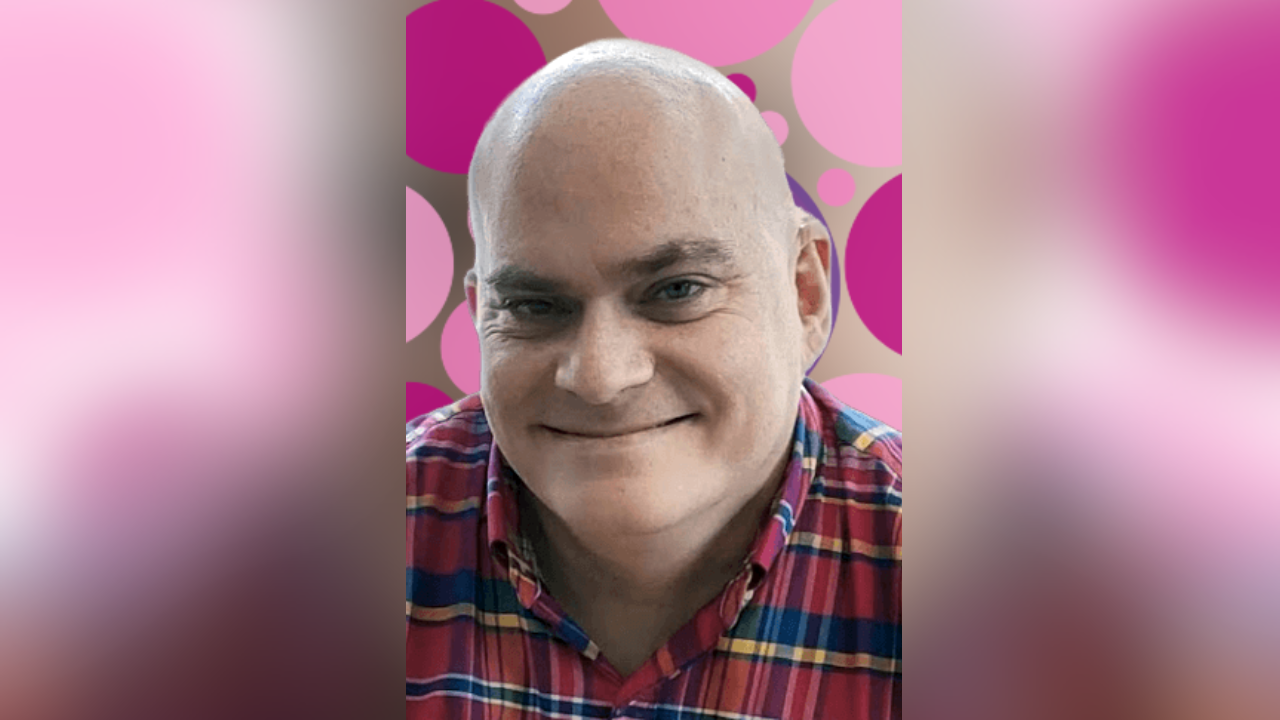
Hugo Stephenson, MD, Co-Founder and Executive Chair, TrialScreen
Key Takeaways
- Eligibility ≠ participation. While many users meet trial eligibility criteria, a significant drop-off occurs when asked to provide contact information—highlighting a gap between curiosity and actual motivation to participate.
- Timely follow-up is crucial. Response delays beyond 24 hours can drastically reduce engagement; real-time human outreach, especially around peak interest times (like Wednesdays), is key to improving recruitment.
- Digital trust drives action. Patients are more likely to move from interest to participation when platforms are transparent, respectful of privacy, and designed to foster trust throughout the engagement process.
In clinical trials, feasibility assessments often hinge on population-level eligibility data. But in the age of digital prescreening and short attention spans, there’s a critical layer we often miss: just because someone qualifies doesn’t mean they’ll participate. The real-world difference between curiosity and motivation is creating a silent bottleneck in patient recruitment, and many feasibility models aren’t equipped to see it coming.
At TrialScreen, we recently analyzed user behavior across more than 1,300 online eligibility screeners from December 2024 to April 2025. The goal was simple: to quantify the conversion cliff between people who can join a trial and those who want to—right now.
The results were striking.
Of the 1,324 screener completions, 58.6% of individuals met the preliminary eligibility criteria. But of those eligible, only 41% provided an email address to connect with the research team. Zooming out, just 24.2% of those who completed a screener progressed to a point where real contact could be made.
Let’s call this what it is: a curiosity-motivation gap.
TrialScreen.org is a free digital platform designed to connect patients, families, and healthcare providers with actively recruiting clinical trials around the world. Users can search for trials in their area, complete a plain-language online pre-screener to check if they might be eligible, and if they pass, choose whether to provide their contact details to connect directly with the study team. It’s a low-barrier tool built to bridge awareness and action. But that final step submitting an email address emerges as a major inflection point.
These figures matter, not because conversion should be perfect, but because many recruitment strategies still assume that eligibility equals intent. In reality, online engagement reveals a layered psychological process. Patients may be curious enough to explore a trial but not yet motivated to take a step that feels like a commitment.
For clinical trial sponsors, contract research organizations, and feasibility planners, that’s a risk hiding in plain sight.
The psychology of progression: What’s holding people back?
In today’s digital environment, asking for personal information is not a neutral step. For many, submitting contact details represents a shift, from passive information gathering to active participation. That shift carries weight, especially in a healthcare context where trust, privacy, and previous experiences all play a role.
Our data also showed temporal patterns. The most screeners were completed on Wednesdays, aligning with peaks in organic search behavior related to clinical trials. This tells us that engagement interest builds during the workweek, but converting that interest depends heavily on what happens next.
And here lies another overlooked factor: response time.
Speed still matters—even in healthcare
Customer service literature is clear: response rates drop dramatically when organizations delay outreach beyond 24 hours. Some sources suggest expectations now sit closer to a one-to-four-hour window before interest begins to wane.1,2
In clinical trials, this urgency collides with a common reality: many site coordinators work part-time, juggle multiple roles, and are not resourced to reply within that critical window. This leads to missed connections not because people aren’t interested, but because the system isn’t designed to meet them where they are.
Importantly, automated “thanks for your inquiry” emails don’t solve the problem. The attention clock only stops when a real person responds with meaningful information.
What this means for feasibility and resourcing
If only one in four people who pass an eligibility screener submit their details, then population-level estimates of “eligible patients” may dramatically overstate recruitment potential—unless we account for motivation and follow-up speed.
This is particularly important when designing feasibility projections for rare disease trials or narrowly defined patient cohorts. If a digital campaign attracts 1,000 screener completions, the expected number of engaged leads is not 1,000. It’s more like 240—if your system is responsive. By monitoring behavioral drop-off in real time, we enable recalibration of feasibility strategies mid-campaign, rather than waiting for enrollment delays to surface later.
This means:
- Sites need more support to act quickly when warm leads come in.
- Recruitment models must factor in behavioral drop-off, not just eligibility.
- Patient motivation is dynamic—not a binary state of yes/no, but a spectrum that fluctuates with how we engage.
Turning insight into action
Improving recruitment isn’t just about better algorithms, it’s about better timing and human follow-up. Here are three steps to bridge the curiosity-motivation gap:
- Resource for responsiveness. Identify peak screener days (e.g., Wednesdays) and prioritize staff availability accordingly. TrialScreen’s data shows that responding quickly on these days can dramatically improve conversion.
- Warm with intent, not automation. Use automation to acknowledge, but not replace, human outreach. Patients know the difference and act accordingly.
- Design for digital trust. Make it clear at every step that patients are in control. Respect for privacy, simple language, and visible transparency about what happens after they share their details all contribute to reducing hesitation.
Conclusion
As clinical trials navigate a digitized future, it’s not enough to identify the right patients. We must also understand what makes them move from curious observers to motivated participants.
In a world competing for attention, success lies not just in finding patients who qualify but in showing up when they’re ready.
Hugo Stephenson, MD, is Co-Founder and Executive Chair of TrialScreen
References
1. Toister, J. How Quickly Should You Respond to Email? Toister Solutions. April 7, 2020. https://www.toistersolutions.com/blog/how-quickly-should-you-respond-to-email
2. Response Time Metrics 2023: Guide & Explanation. Pexly. https://pexly.com/blog/customer-care/response-time-metrics-2023-guide-explanation