
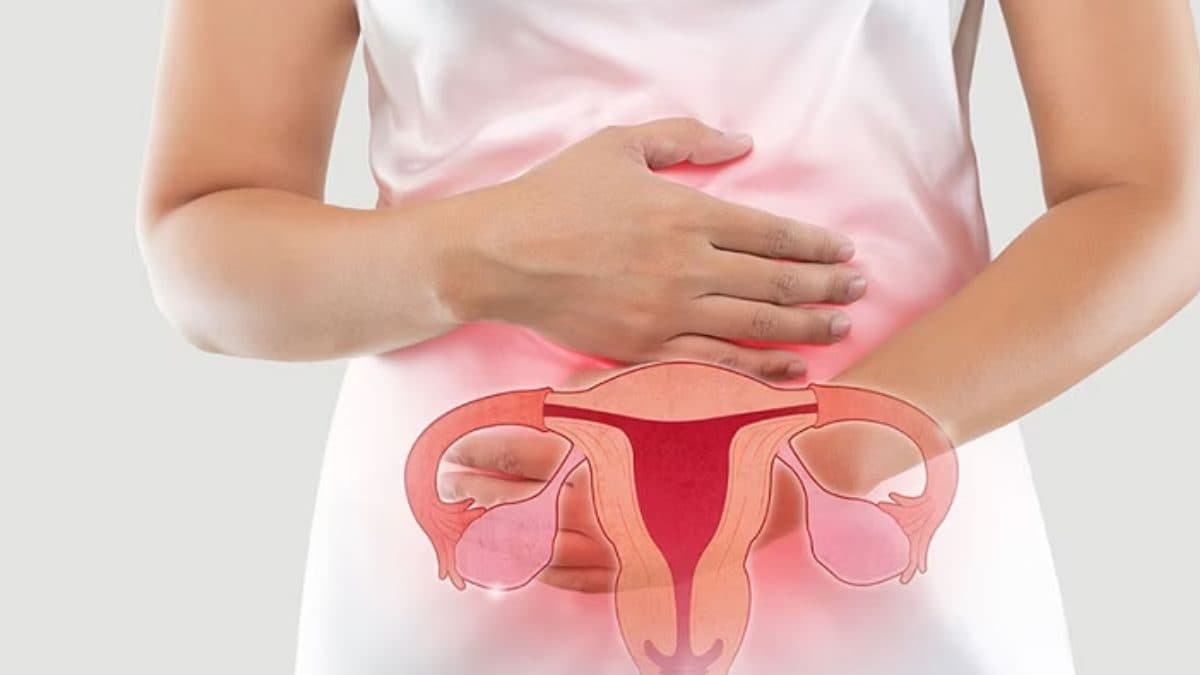
Cervical cancer ranks as the second most prevalent cancer in India despite being largely preventable. (Image for representation: Getty)
Put your health first and don’t ignore symptoms or screening recommendations. With the tools available today, you have so much power to avoid becoming another cervical cancer statistic

Sex may permeate our popular culture, but conversations about it are still associated with stigma and shame in Indian households. As a result, most individuals dealing with sexual health issues or trying to find information about sex often resort to unverified online sources or follow the unscientific advice of their friends. To address the widespread misinformation about sex, News18.com is running this weekly sex column, titled ‘Let’s Talk Sex’. We hope to initiate conversations about sex through this column and address sexual health issues with scientific insight and nuance
In this article, we will explain how common cervical cancer is, what puts you at risk, & what you can do to protect yourself.
When you think about cervical cancer, you might wonder why it’s so common. Well, the answer lies with sexually transmitted infections (STIs). Cervical cancer develops in the cervix, the lower part of the uterus. It’s an extremely common cancer affecting women, especially those in their 30s and 40s. Why is this cancer so prevalent? There are a few reasons:
- Human papillomavirus (HPV) infection: HPV is a group of over 200 related viruses, and certain strains are known to cause cervical cancer. HPV is spread through intimate skin-to-skin contact like during sexual activity. HPV infections are very common, and most people will get one at some point in their lives. While your body can usually clear the virus on its own, sometimes an HPV infection persists and can lead to cervical cancer.
- Immunosuppression: A weakened immune system makes it harder for the body to fight off an HPV infection, raising cervical cancer risk. HIV positive women have a higher chance of cervical cancer.
- Lack of regular Pap smears: Pap smears, or Pap tests, screen for precancerous changes in the cervix that could develop into cervical cancer if left untreated. Many women do not get regular Pap smears, often due to lack of access to healthcare, and this contributes to higher cervical cancer rates.
Connection Between HPV and Cervical Cancer
Human papillomavirus (HPV) is a common sexually transmitted infection. There are over 100 types of HPV, some of which are known as “high-risk” types. Two high-risk HPV types, HPV-16 and HPV-18, are responsible for most cases of cervical cancer.
When you contract a high-risk HPV infection, the virus inserts its DNA into the cells of your cervix. Over time, the HPV infection can cause abnormal cell changes known as “cervical intraepithelial neoplasia” or CIN. If left untreated, these abnormal cell changes have the potential to develop into cervical cancer. That’s why regular cervical cancer screenings are so important – they allow your doctor to detect HPV, abnormal cell changes, and cervical cancer early on.
The good news is there are vaccines available that can help prevent HPV infections and reduce your risk of cervical cancer. The HPV vaccine is most effective when given to preteens before they become sexually active. However, the vaccine can also benefit females up to age 26 and males up to age 21. The HPV vaccine targets the HPV types most likely to cause cervical cancer and genital warts. While the HPV vaccine can help reduce your risk of cervical cancer, it does not eliminate the need for regular cervical cancer screenings.
Other STIs That Increase Cervical Cancer Risk
Several other sexually transmitted infections (STIs), in addition to HPV, can also increase your risk of developing cervical cancer. These include:
- Chlamydia: This common STI can infect the cervix and cause inflammation that leads to cell changes if left untreated. Get tested and treated for chlamydia right away if you experience symptoms like abnormal discharge, bleeding, or pain during sex.
- Gonorrhoea: Like chlamydia, gonorrhoea is an STI that can infect the cervix. If untreated, it may cause scarring and cell changes that increase cancer risk. See your doctor for antibiotics if you notice symptoms such as increased vaginal discharge, bleeding between periods, or pain during intercourse.
- Herpes: The Herpes Simplex Virus (HSV) can infect the cervix and trigger cell changes that may lead to cancer over time. Herpes may cause sores, lesions, and blisters that come and go, especially during flare-ups. Talk to your doctor about antiviral medication to help manage herpes and reduce complications.
- Syphilis: This bacterial STI can spread to the cervix if left untreated. Syphilis may not cause any symptoms initially, so regular STD testing is important. Without treatment, syphilis can damage cervical cells and increase the risk of cancer and other health issues. Antibiotics can cure syphilis if caught early.
Lifestyle Factors That Increase Your Risk of Cervical Cancer
Certain lifestyle choices and habits can increase your chances of developing cervical cancer. Be aware of these risk factors and make changes where you can to lower your risk.
- Smoking: Smoking cigarettes contains toxic chemicals that can damage the cells of your cervix, increasing your cancer risk. Kick the habit to cut your risk significantly. Vaping and other tobacco products are also harmful.
- Multiple sexual partners: Having many sexual partners, especially at a young age, raises your risk of infection with HPV, the virus that causes nearly all cervical cancers. HPV is transmitted through skin-to-skin genital contact, so practicing safe sex and limiting partners can help reduce your exposure.
- Early age at first intercourse: Having sex at a younger age, typically before 18, increases the likelihood of HPV infection and subsequent cervical cancer development. Delaying first intercourse until your late teens or early 20s is ideal.
- Birth control pills: Some studies show a small increased risk of cervical cancer in women who use oral contraceptives for over 5 years. Talk to your doctor about the pros and cons of different birth control options based on your needs and risk factors.
- Obesity and diet: Being overweight or obese and eating an unhealthy diet high in processed and red meats may contribute to higher cervical cancer risk. Focus on eating more whole foods like fruits and vegetables, maintaining a healthy weight, and getting regular exercise.
Cervical cancer is way more common than it should be, especially in developing countries. But the good news is that cervical cancer is one of the most preventable cancers out there if caught early. Make sure to get regular Pap tests and HPV tests when your doctor recommends them. And protect yourself by limiting your sexual partners, using protection, and getting the HPV vaccine. The more informed you are about cervical cancer and its link to STIs, the better you can catch abnormalities early and lower your cancer risk. Put your health first and don’t ignore symptoms or screening recommendations. With the tools available today, you have so much power to avoid becoming another cervical cancer statistic.
