
Flexible Circuit Board Manufacturing
A flexible printed circuit board (PCB) must go through various steps to ensure that it is properly functioning and able to withstand its intended uses. The manufacturing process for a PCB consists of multiple phases, from design through fabrication and assembly to the finished product. Each step should have detailed, measurable procedures in place to verify that it meets quality standards and is ready for deployment.
When purchasing a flex PCB, it is important to know what quality control measures the manufacturer employs. This will help you make an informed choice and find the best company for your needs. In general, these quality control steps include visual inspection, dimensioning, and electrical testing.
Visual examinations are done by trained experts to check for contaminants and defects in the finished flex circuit board manufacturers. They can spot welding errors, delamination, scratches, and more. High-resolution cameras and imaging software can help enhance the results of these visual inspections. The quality of the flex circuit is largely determined by its thickness, width, and length. It must be within acceptable tolerances to ensure that it will fit in the intended housing or enclosure.
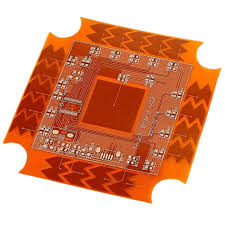
What Quality Control Measures Are Used in Flexible Circuit Board Manufacturing?
A flex circuit is also susceptible to environmental hazards, including temperature changes, humidity, and exposure to chemicals. These tests can be used to evaluate the durability of the board and determine if it is suitable for a particular application. In addition, the accelerated life testing process can help manufacturers predict how well a flex circuit will perform over time.
In order to achieve a reliable flex PCB, the copper layers must have uniform thicknesses and be spaced accurately. In some cases, the etching process is used to create the desired copper trace pattern on a PCB. In other cases, the copper layer is plated directly onto the PCB surface. This process is known as button plating, and it can be helpful in achieving higher copper etch yields and creating regulated impedance on the board.
It is also important to choose the right base material and solder mask for a flex circuit. These materials can have a significant impact on the cost of a circuit board. This is why it is important to discuss the desired use of a flex circuit with the manufacturer to determine which raw materials are most appropriate.
Despite their fragile appearance, flex circuits can be constructed to be robust enough to withstand thousands or even millions of bending cycles without failing. This is due to their low mass and ductility. They can also withstand varying degrees of vibration and acceleration.
Before a flexible circuit is shipped to the customer, it must undergo one final quality control test. This function test allows the manufacturer to identify any problems before the product ships, which can reduce customer frustration and increase satisfaction. This is an essential part of the QC process for flexible PCBs, and it should always be performed by an expert technician. The function test can involve a variety of testing methods, such as current consumption and power-on tests.