
Credit: Proxima Studio | stock.adobe.com
As GLP-1 therapies expand from diabetes into obesity, cardiovascular disease, and rare conditions, clinical trial teams face a broader choice of measurement and depth of data collection when selecting the right glucose monitoring tools. They do so without clear guidelines on when to use blood glucose meters (BGM), continuous glucose monitors (CGM), or both.
At YPrime, we’ve seen a growing number of sponsors asking how to best capture glucose data in their trials. While BGM remains the regulatory gold standard, CGM is gaining ground in exploratory endpoints and safety monitoring.
But increased options bring added complexity, and trial teams must now navigate patient burden, data infrastructure, cost, protocol design, and regional logistics.
Advanced eCOA platforms must integrate seamlessly with both CGM and BGM devices, trigger symptom diaries from abnormal values, and support centralized monitoring dashboards that allow clinical teams to view data trends in near-real time, identify protocol deviations, and manage compliance alerts.
Below, we’ll break down the key considerations shaping the BGM and CGM decision, why both often coexist in trials today, and how eCOA platforms play a critical role in supporting this data collection at scale.
BGM has been the most common method of measuring blood glucose in clinical trials. It’s relatively inexpensive, globally available, and historically preferred by regulators for primary endpoints, such as HbA1c.
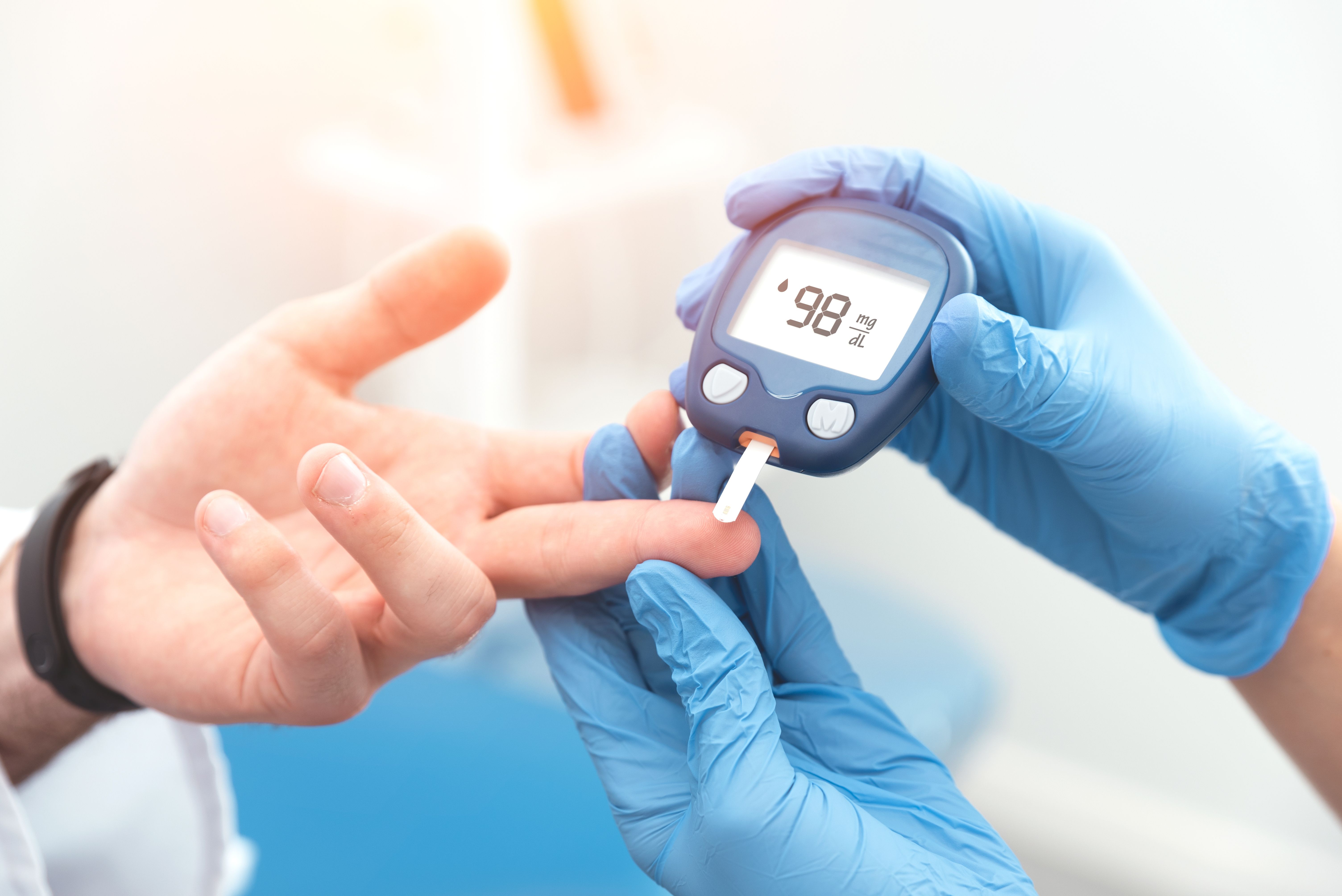
With BGM, participants perform fingerstick tests at set intervals and sync their devices via Bluetooth. It’s familiar, simple, and reliable, making it an ideal choice for many trial designs.
But CGM offers a very different value proposition. Unlike traditional blood glucose meters that require fingerstick samples, CGMs use a small sensor inserted just under the skin to measure glucose levels in interstitial fluid (the fluid surrounding tissue cells).
These sensors automatically collect data every few minutes, providing a near-continuous stream of glucose measurements without requiring patient intervention. That means each patient may generate approximately 105,120 data points during a year-long study (based on data collected every 5 minutes with 525,600 minutes per year) compared to fewer than 1,825 data points per patient per year with BGM.
CGM enables deeper insight into glycemic trends, including:
- Time in range
- Time above/below range
- Glycemic variability
These metrics are increasingly being used in trials, not necessarily as primary endpoints, but to detect safety signals, support patient monitoring, or generate exploratory data. Still, CGM is not in a place to replace BGM.
Many studies use BGM to confirm CGM readings, particularly in the first 24 hours after sensor placement or when symptoms don’t match device data. BGM is also used to calibrate CGM devices or confirm readings that don’t match how the patient is feeling.
Use Case Spotlight: When Trials Use Both
Sponsors today are beginning to consider a hybrid model in clinical research, in which CGM provides continuous monitoring and BGM is used for verification or as a backup. This is useful in:
- Safety monitoring: CGM helps detect asymptomatic hypoglycemia, while BGM confirms events before intervention.
- Rare or pediatric populations: CGM reduces finger-prick burden, especially when frequent daily readings would impact compliance.
- Device comparison studies: CGM and BGM are used in parallel to build evidence for future protocol shifts or regulatory submissions.
Use Case Spotlight: When Trials Use BGM
At YPrime, we are seeing many use cases for BGM, particularly in rare disease studies in which endpoints include glycemic variability—not just HbA1c. In one study, BGM readings triggered event-driven eCOA diaries, helping investigators correlate glucose changes with patient-reported outcomes.
Trial Design Considerations: More Than Just Device Preference
When deciding how to collect glucose data in GLP-1 studies, clinical trial teams should consider five core factors:
- Study Endpoints—Are you measuring point-in-time glucose levels, or monitoring trends over time? BGM may be sufficient for discrete timepoints, but CGM provides richer data when the goal is understanding variability or time in range.
- Patient Population. Older patients may already be familiar with glucose monitoring devices, while pediatric patients may benefit from reduced finger-stick frequency. Burden, usability, and previous device exposure all factor in.
- Protocol Duration. In short studies, BGM may offer all the data you need. But in long-term trials, CGM can deliver a clearer picture of glycemic control—if your systems can handle the volume of data.
- Geographic Reach. BGM devices are more widely available and consistent globally, while CGM sensors may face regulatory, cost, or shipping challenges in certain regions.
- Cost and Infrastructure. CGM sensors are more expensive and produce exponentially more data. Sponsors must ensure their data platforms and vendors can support real-time visualization, audit-ready traceability, and scalable storage.
The Role of eCOA: Turning Data into Decisions
Collecting data is only half the challenge. Visualizing and acting on it in real time is just as critical.
Advanced eCOA platforms must integrate seamlessly with both CGM and BGM devices, trigger symptom diaries from abnormal values, and support centralized monitoring dashboards that allow clinical teams to view data trends in near-real time, identify protocol deviations, and manage compliance alerts.
When high-frequency CGM data is involved, the volume quickly overwhelms traditional flat-file transfer systems. Sponsors need scalable architectures that support millions of records, offer rapid filtering, and empower teams to make timely decisions.
CGM vs. BGM Isn’t an Either/Or Scenario
While CGM holds incredible promise, especially as sensors become longer lasting and less invasive, it’s not yet a one-to-one replacement for BGM. Most trials today are better suited for BGM or might consider both. The best glucose monitoring strategy isn’t just about data volume or device preference, it’s about aligning technology to your endpoints, your patients, and your infrastructure.
About the Authors
Karl McEvoy, PhD, VP, eCOA and Patient Technology, YPrime.
Aubrey Verna, Senior Product Director, YPrime.