
Typical Lead Time For Quick Turn Printed Circuit Boards
The typical lead time for quick turn printed circuit boards is a matter of days, depending on the manufacturer. This is a significant improvement over the weeks or months typically associated with traditional PCB manufacturing, especially for companies that need to develop and launch new products quickly. Quick-turn PCBs are also useful for prototyping, allowing engineers to iterate and tweak designs quickly based on testing results.
Responsible quick turn PCB manufacturers prioritize fast turnaround times (such as same-day and 24-hour turns) without sacrificing quality by streamlining production, optimizing equipment, and managing inventory carefully. They understand the urgency of projects and communicate clearly with clients to ensure all necessary information is provided in a timely manner. They also adhere to strict quality standards and test each PCB produced.
The PCB prototyping phase is an essential step for testing and iterating a design before moving to the full-production stage. This phase includes layout and design optimization, ensuring that the board is able to be assembled with the desired components without any issues. The quick turn PCB fabrication and assembly phase reduces the overall process by implementing efficient workflows, automating tasks as much as possible, and cutting costs by limiting batch sizes. However, the shortened timeline may result in a trade-off in quality and some tests are skipped to save time, such as 100% post-process electrical testing and environmental stress testing.
In order to minimize the time required for a quick turn, the project manager must choose a manufacturer with extensive experience and a reputation for meeting deadlines. They should also offer a wide range of capabilities, including multi-layer and rigid-flex PCBs. Additionally, they should provide a clear estimate of the project duration based on their capacity and capability. They should also be able to meet the client’s specific requirements, such as high-density and high-speed layouts.
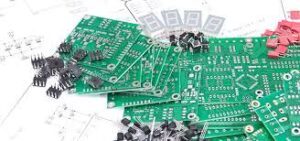
What Is the Typical Lead Time For Quick Turn Printed Circuit Boards?
One of the most critical aspects of a PCB is its material selection. It is important to select a material that is compatible with the desired manufacturing processes and that will maintain quality during rapid processing. Choosing the right materials can also reduce overall manufacturing costs.
Depending on the type of project, some processes can take a while to complete and will therefore add to the overall PCB turnaround time. Examples of these include surface finish and special characteristics, such as controlled impedances, dielectrics, mixed copper, via-in-pad, extreme copper, and special gold thicknesses.
Additionally, shipping delays can sometimes occur when working with an overseas supplier. This is because of time zone differences, potential language barriers, and customs procedures. These delays can add several days to the overall lead time, which must be taken into consideration when calculating the total turnaround.
To minimize these risks, it is best to work with a local supplier that can offer domestic production and shipping for the fastest turnaround possible. This can be done by contacting a supplier directly with your PCB layout and BOM to receive a customized quote. In addition, many local companies offer a single-source solution, encompassing both PCB design and fabrication services, which can help to shorten the overall lead time.