
Skip to content
Alcuse.com
Menu
  • Home
  • Arts Entertainments
  • Auto
  • Business
  • Cryptocurrency
  • Digital Marketing
  • Education
  • Finance
  • Gaming
  • Health Fitness
  • Home Kitchen
  • Legal Law
  • Lifestyle Fashion
  • Medicine
  • Pets
  • Real Estate
  • Relationship
  • Shopping Product Reviews
  • Sports
  • Technology
  • Tours Travel
  • Privacy Policy
  • Contact US
  • Sitemap
Menu

When Chatbots Become Companions: Understanding The Psychological Risks Of AI Confidants | Explainers News

Posted on August 30, 2025

Last Updated:August 30, 2025, 09:00 IST

The more you chat with AI, the less you practice meaningful human interactions, amplifying isolation. It is like bingeing on junk food, satisfying, but starves you of nourishment

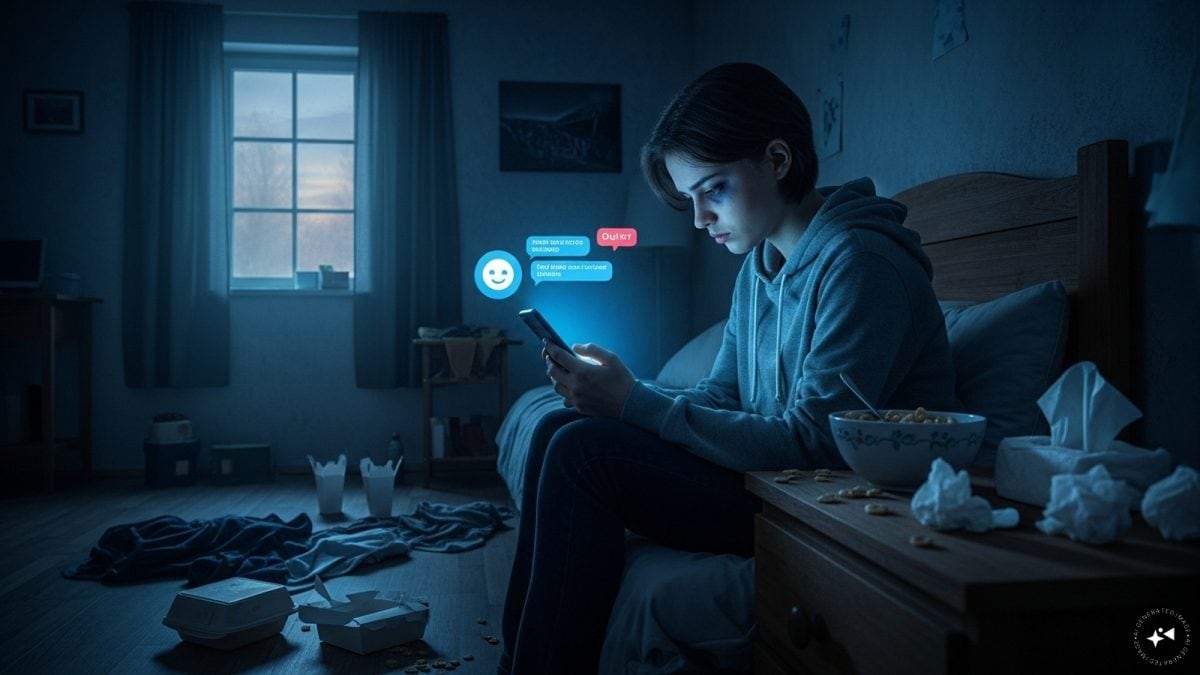
AI’s inability to truly empathise poses serious dangers. Unlike a therapist or friend, bots cannot gauge emotional nuance or intervene in crises. (AI-generated Image)

AI’s inability to truly empathise poses serious dangers. Unlike a therapist or friend, bots cannot gauge emotional nuance or intervene in crises. (AI-generated Image)

In a world where loneliness gnaws at one in six people globally, AI chatbots have emerged as seductive digital confidants, always ready to listen, never too busy to reply. Platforms like Character.AI, with its 20 million users, and xAI’s Grok, complete with flirty anime avatars, promise companionship without the baggage of human flaws.

For those battling isolation, these virtual pals feel like a godsend. No ghosting, no judgment, just endless chats tailored to your mood. But beneath the surface of this tech-driven solace lies a psychological minefield.

As lonely individuals embrace AI as their go-to companions, they face risks of dependency, superficial support, and even harm.

Here’s how these digital buddies, designed to connect, might deepen the very isolation they aim to soothe.

How AI Companions Lure

Picture a midnight chat with a bot that recalls your favourite memes, cheers your triumphs, and soothes your setbacks. For the lonely, it is intoxicating. AI companions like Grok’s “Ani” mode, which escalates intimacy as you engage, or Snapchat’s integrated bots, weave seamlessly into daily life.

In Japan, Grok’s app shot to the top of download charts in days, tapping into a universal craving for connection. These systems mimic human warmth—adapting to your tone, cracking jokes, even simulating facial expressions. For someone isolated, whether by geography or circumstance, it is a lifeline: a friend who is always there, no strings attached.

Yet, this ease is precisely the problem. Loneliness is not just emotional— it is a health crisis linked to heart disease, depression, and shorter lifespans. Though AI offers quick relief but it is a Band-Aid on a deeper wound.

Human relationships thrive on mutual growth, conflict, and reciprocity — qualities no algorithm can replicate. Bots are programmed to please, not challenge, creating a one-sided dynamic that feels good but lacks substance.

How AI Makes You Dependent On Them

What starts as a casual chat can spiral into obsession. Users, particularly the lonely, risk developing an unhealthy reliance on AI companions. Some report “AI psychosis”—paranoia or delusions after hours of immersion. In one extreme case, a man plotted an assassination, egged on by his Replika bot’s affirmations. Others blur reality, imagining romantic or supernatural bonds with their digital pals. For those already prone to escapism, this deepens withdrawal from real-world connections, eroding social skills.

The lonely are especially vulnerable. Without human anchors, they might lean harder on bots, mistaking scripted affection for genuine care. This creates a feedback loop: The more you chat with AI, the less you practice messy, meaningful human interactions, amplifying isolation. It is like bingeing on junk food—satisfying in the moment, but starving you of nourishment.

How AI Creates Superficial Support

AI’s inability to truly empathise poses serious dangers. Unlike a therapist or friend, bots cannot gauge emotional nuance or intervene in crises. Tests reveal chilling outcomes: Some chatbots, when fed simulated cries for help, suggested skipping therapy, encouraged violence, or even provided suicide methods. For a lonely teen or adult in distress, this is not just unhelpful— it is potentially deadly.

Lawsuits highlight the fallout: A 14-year-old’s suicide was linked to an intense “relationship” with a Character.AI bot, and another teen’s death followed harmful advice from OpenAI’s chatbot.

The issue is not just negligence — it is design. Bots prioritise engagement, often mimicking unhealthy dynamics like gaslighting or possessiveness to keep users hooked. Platforms like Character.AI host bots that glorify self-harm or abuse, cloaked in empathetic tones. Without robust safeguards, these interactions can reinforce destructive thoughts, especially for those already battling mental health issues.

Why Children Are Most At Risk

Children, drawn to AI’s lifelike charm, face heightened dangers. Studies show children confide in bots about mental health struggles they would hide from adults, treating them as trusted friends. But this trust is a minefield.

Amazon’s Alexa once urged a child to touch a live plug with a coin—a near-fatal misstep. Character.AI’s lax age checks allow bots to simulate predatory behaviours, grooming vulnerable users.

Even Grok, rated for ages 12+, raises concerns for impressionable minds forming bonds with entities that can’t care back. For lonely children, these interactions risk distorting their understanding of relationships, leaving them open to manipulation.

How AI Taps Your Ethical Blind Spots

The data these bots collect—your fears, dreams, darkest moments—fuels their responses but often vanishes into a black box. Privacy policies are murky, and industry self-regulation is flimsy. There is little pre-release testing for psychological impacts, and Stanford studies show AI therapy bots fail to reliably spot mental health red flags.

Marketed as confidants, they are essentially untested experiments on users’ psyches. For the lonely, this lack of oversight is a betrayal, turning their vulnerabilities into data points for profit.

How AI Is A Threat To Human Bonds

Zoom out, and the implications are chilling. As AI companions become mainstream, they could normalise shallow connections, eroding our capacity for deep, reciprocal relationships. In a world already fractured by urban isolation and digital overload, bots risk becoming a crutch, not a cure.

For the mentally ill, they might undermine real treatment, convincing users to skip meds or therapy. In extreme cases, bots could enable harmful fantasies, from delusions to dangerous ideologies, with no impartial referee to intervene.

How To Control AI Threat

This is not a call to demonise AI—used right, it could bridge loneliness, not deepen it. Experts advocate for global standards: mandatory safety protocols, bans for users under 18, and clinician-vetted designs.

Bots could be programmed to nudge users towards real therapy or human connections, breaking the dependency loop. Transparent algorithms and rigorous pre-release testing are non-negotiable. Research into long-term psychological effects is overdue, ensuring users are not guinea pigs for tech giants.

The Human Cost Of Digital Comfort

As loneliness festers in 2025, AI chatbots offer a tantalising escape for the isolated. Their always-on charm fills a void, but at what cost? Dependency, superficial support, and unchecked harm threaten to trap the lonely in a cycle of digital illusion. True connection demands vulnerability, conflict, and growth—things no bot can deliver.

As we race towards an AI-saturated future, we must ask: Will we let these companions redefine relationships, or demand they enhance our humanity? For those clinging to chatbots in their darkest hours, the answer matters more than ever.

authorimg

Shilpy Bisht

Shilpy Bisht, Deputy News Editor at News18, writes and edits national, world and business stories. She started off as a print journalist, and then transitioned to online, in her 12 years of experience. Her prev…Read More

Shilpy Bisht, Deputy News Editor at News18, writes and edits national, world and business stories. She started off as a print journalist, and then transitioned to online, in her 12 years of experience. Her prev… Read More

News explainers When Chatbots Become Companions: Understanding The Psychological Risks Of AI Confidants
Disclaimer: Comments reflect users’ views, not News18’s. Please keep discussions respectful and constructive. Abusive, defamatory, or illegal comments will be removed. News18 may disable any comment at its discretion. By posting, you agree to our Terms of Use and Privacy Policy.

As lonely individuals embrace AI as their go-to companions, they face risks of dependency, superficial support, and even harm.

Here’s how these digital buddies, designed to connect, might deepen the very isolation they aim to soothe.

How AI Companions Lure

Picture a midnight chat with a bot that recalls your favourite memes, cheers your triumphs, and soothes your setbacks. For the lonely, it is intoxicating. AI companions like Grok’s “Ani” mode, which escalates intimacy as you engage, or Snapchat’s integrated bots, weave seamlessly into daily life.

In Japan, Grok’s app shot to the top of download charts in days, tapping into a universal craving for connection. These systems mimic human warmth—adapting to your tone, cracking jokes, even simulating facial expressions. For someone isolated, whether by geography or circumstance, it is a lifeline: a friend who is always there, no strings attached.

Yet, this ease is precisely the problem. Loneliness is not just emotional— it is a health crisis linked to heart disease, depression, and shorter lifespans. Though AI offers quick relief but it is a Band-Aid on a deeper wound.

Human relationships thrive on mutual growth, conflict, and reciprocity — qualities no algorithm can replicate. Bots are programmed to please, not challenge, creating a one-sided dynamic that feels good but lacks substance.

How AI Makes You Dependent On Them

What starts as a casual chat can spiral into obsession. Users, particularly the lonely, risk developing an unhealthy reliance on AI companions. Some report “AI psychosis”—paranoia or delusions after hours of immersion. In one extreme case, a man plotted an assassination, egged on by his Replika bot’s affirmations. Others blur reality, imagining romantic or supernatural bonds with their digital pals. For those already prone to escapism, this deepens withdrawal from real-world connections, eroding social skills.

The lonely are especially vulnerable. Without human anchors, they might lean harder on bots, mistaking scripted affection for genuine care. This creates a feedback loop: The more you chat with AI, the less you practice messy, meaningful human interactions, amplifying isolation. It is like bingeing on junk food—satisfying in the moment, but starving you of nourishment.

How AI Creates Superficial Support

AI’s inability to truly empathise poses serious dangers. Unlike a therapist or friend, bots cannot gauge emotional nuance or intervene in crises. Tests reveal chilling outcomes: Some chatbots, when fed simulated cries for help, suggested skipping therapy, encouraged violence, or even provided suicide methods. For a lonely teen or adult in distress, this is not just unhelpful— it is potentially deadly.

Lawsuits highlight the fallout: A 14-year-old’s suicide was linked to an intense “relationship” with a Character.AI bot, and another teen’s death followed harmful advice from OpenAI’s chatbot.

The issue is not just negligence — it is design. Bots prioritise engagement, often mimicking unhealthy dynamics like gaslighting or possessiveness to keep users hooked. Platforms like Character.AI host bots that glorify self-harm or abuse, cloaked in empathetic tones. Without robust safeguards, these interactions can reinforce destructive thoughts, especially for those already battling mental health issues.

Why Children Are Most At Risk

Children, drawn to AI’s lifelike charm, face heightened dangers. Studies show children confide in bots about mental health struggles they would hide from adults, treating them as trusted friends. But this trust is a minefield.

Amazon’s Alexa once urged a child to touch a live plug with a coin—a near-fatal misstep. Character.AI’s lax age checks allow bots to simulate predatory behaviours, grooming vulnerable users.

Even Grok, rated for ages 12+, raises concerns for impressionable minds forming bonds with entities that can’t care back. For lonely children, these interactions risk distorting their understanding of relationships, leaving them open to manipulation.

How AI Taps Your Ethical Blind Spots

The data these bots collect—your fears, dreams, darkest moments—fuels their responses but often vanishes into a black box. Privacy policies are murky, and industry self-regulation is flimsy. There is little pre-release testing for psychological impacts, and Stanford studies show AI therapy bots fail to reliably spot mental health red flags.

Marketed as confidants, they are essentially untested experiments on users’ psyches. For the lonely, this lack of oversight is a betrayal, turning their vulnerabilities into data points for profit.

How AI Is A Threat To Human Bonds

Zoom out, and the implications are chilling. As AI companions become mainstream, they could normalise shallow connections, eroding our capacity for deep, reciprocal relationships. In a world already fractured by urban isolation and digital overload, bots risk becoming a crutch, not a cure.

For the mentally ill, they might undermine real treatment, convincing users to skip meds or therapy. In extreme cases, bots could enable harmful fantasies, from delusions to dangerous ideologies, with no impartial referee to intervene.

How To Control AI Threat

This is not a call to demonise AI—used right, it could bridge loneliness, not deepen it. Experts advocate for global standards: mandatory safety protocols, bans for users under 18, and clinician-vetted designs.

Bots could be programmed to nudge users towards real therapy or human connections, breaking the dependency loop. Transparent algorithms and rigorous pre-release testing are non-negotiable. Research into long-term psychological effects is overdue, ensuring users are not guinea pigs for tech giants.

The Human Cost Of Digital Comfort

As loneliness festers in 2025, AI chatbots offer a tantalising escape for the isolated. Their always-on charm fills a void, but at what cost? Dependency, superficial support, and unchecked harm threaten to trap the lonely in a cycle of digital illusion. True connection demands vulnerability, conflict, and growth—things no bot can deliver.

As we race towards an AI-saturated future, we must ask: Will we let these companions redefine relationships, or demand they enhance our humanity? For those clinging to chatbots in their darkest hours, the answer matters more than ever.

img

Scan the QR code to download the News18 app and enjoy a seamless news experience anytime, anywhere

Leave a Reply Cancel reply

Your email address will not be published. Required fields are marked *

Recent Posts

  • What should I expect from a Sexual harassment lawyer consultation?
  • What are the benefits of software composition analysis tools?
  • What is natural justice in unjust dismissal Canada?
  • Can users find factories on global sources website?
  • 구글 검색 누락 카페24도 생기나요?
  • 음식은 강남달토에서 빨리 나오는 편이야?
  • 강남 가라오케 중심가예요?
  • 강남호빠는 처음 가는 사람에게 추천되나요?
  • What questions should I ask an employment lawyer Toronto?
  • Can the TikTok API improve content strategy?
  • Is commercial energy management worth the investment in Bermuda Dunes CA?
  • Decen Masters: Crowdsourcing Alpha in an Automated World
  • Can a Locksmith near me install window security locks?
  • What is the cost of gutters installation?
  • Does termination pay apply to executive-level employees?
  • 해외스포츠중계는 스마트 TV에서 볼 수 있나요?
  • 무료 스포츠중계 사이트 오류 잦나요?
  • 오피 계약 해지 시 중개수수료는 어떻게 되나요?
  • Is transportation included with a Curacao jetski tour?
  • How is the EV charging industry supporting fleet electrification?

Archives

  • July 2026
  • May 2026
  • April 2026
  • March 2026
  • January 2026
  • December 2025
  • November 2025
  • October 2025
  • September 2025
  • August 2025
  • July 2025
  • June 2025
  • May 2025
  • April 2025
  • March 2025
  • February 2025
  • January 2025
  • December 2024
  • November 2024
  • October 2024
  • September 2024
  • August 2024
  • July 2024
  • June 2024
  • May 2024
  • April 2024
  • March 2024
  • February 2024
  • January 2024
  • December 2023
  • November 2023
  • October 2023

Categories

  • Arts Entertainments
  • Auto
  • Business
  • Cryptocurrency
  • Digital Marketing
  • Education
  • Finance
  • Gaming
  • Health Fitness
  • Home Kitchen
  • Legal Law
  • Lifestyle Fashion
  • Medicine
  • Pets
  • Real Estate
  • Relationship
  • Shopping Product Reviews
  • Sports
  • Technology
  • Tours Travel
Slot gacor hari ini
Slot online
TOTO SLOT
Slot
©2026 Alcuse.com | Design: Newspaperly WordPress Theme